











ARLINGTON, Texas—As Tarrant County, Texas, heads toward a Jan. 31, 2026, runoff in Senate District 9, the race is illustrating a growing challenge for modern journalism: when local political coverage shrinks, campaigns are forced to take on the work that newsrooms once helped carry.
The seat, left vacant after Sen. Kelly Hancock’s resignation earlier this year, covers parts of Tarrant, Denton and Wise counties and includes a large swath of Arlington. It’s the kind of down-ballot race that once received sustained attention from local reporters. But today, with newsroom layoffs and reduced political beats across the state, coverage is thinner, less frequent and far more dependent on social media announcements than on traditional reporting.
Speaking directly to voters
For candidates, that shift is changing how they communicate with voters.
Democrat Taylor Rehmet, a union leader, machinist and Air Force veteran who led the November special election with 48% of the vote, said the thinning media landscape has pushed his campaign to rely on people, not press, to reach voters.
“Here’s the truth: When you talk to people instead of at them, you win,” Rehmet told supporters after taking the open primary. “When you organize block by block, instead of begging billionaires for checks, you win. When you fight like hell for working families because you are one, you win. And we will win this runoff.”
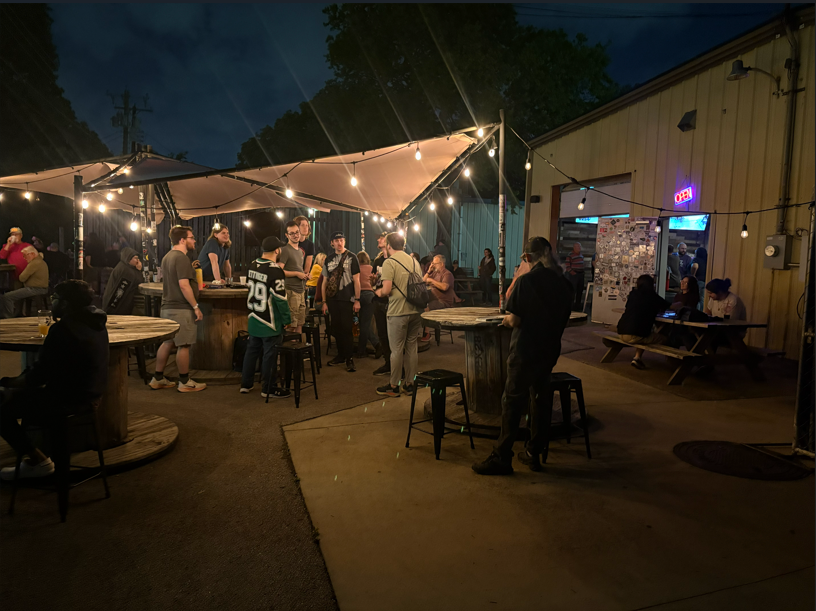
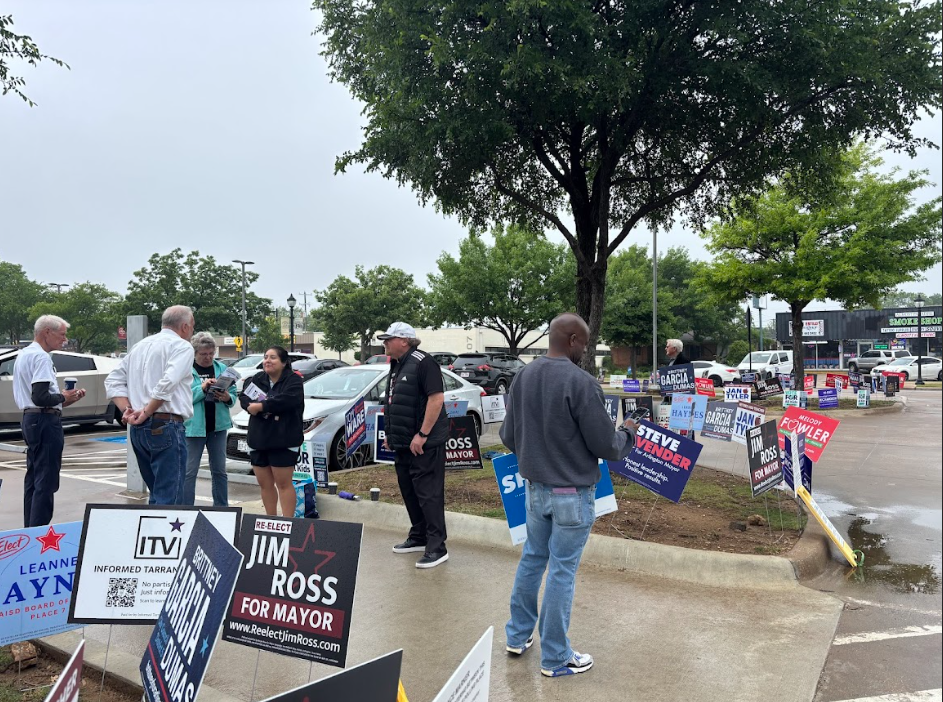
Rehmet raised roughly $150,000, modest by Texas standards, and spent less than half of it in one of the nation’s most expensive media markets. With fewer local outlets covering the race, his campaign focused on door-knocking, union outreach and community events in areas where turnout has traditionally lagged.
Building communities
“We are working on building a community,” said Jake Davis, Rehmet’s chief of staff. “We are talking to voters one-on-one, creating local ties, and building those bonds that really matter.”
Republican Leigh Wambsganss, the chief communications officer of Patriot Mobile, is taking a different approach. Backed by endorsements from President Donald Trump, Sen. Ted Cruz and other high-profile Republicans, her campaign raised $1.6 million and spent nearly $1.4 million of it.
But even with significant funding and name recognition, her messaging still travels primarily through social media posts, campaign-produced videos and direct communication with supporters.
Less verification and fact-checking
That reliance on self-published content, rather than traditional reporting, reflects a broader shift in how voters encounter election information. With fewer journalists covering state and local politics, campaigns now produce much of the content that voters see. The result: less independent verification, fewer opportunities for fact-checking and a greater risk of political narratives going unchallenged.
This trend puts pressure on journalists who remain in the field. Covering every local race is impossible, yet abandoning them entirely leaves voters with information ecosystems dominated by partisans, influencers and political action committees.
The Jan. 31 runoff, expected to draw an even lower turnout than the primary, underscores the stakes. In elections where only a small number of voters show up, independent reporting can play an outsized role in helping residents understand who’s running, what they stand for and how public policy might change.
For journalists, the race is a reminder that their coverage, or absence, shapes how campaigns communicate and how voters make decisions. And for candidates, it’s proof that in a media environment where traditional reporting no longer carries every race, reaching voters increasingly means doing the work themselves.
Nathan Sullivan is a district aide in the office of Texas Rep. Chris Turner and a student at the University of Texas at Arlington, where he is majoring in political science with a minor in journalism.


Ron Sullivan • Dec 12, 2025 at 4:26 pm
What an excellent and thought provoking article. I, like many, have lost my awareness of the facts pointed out in this article. Excellent! Thanks for raising our awareness.