






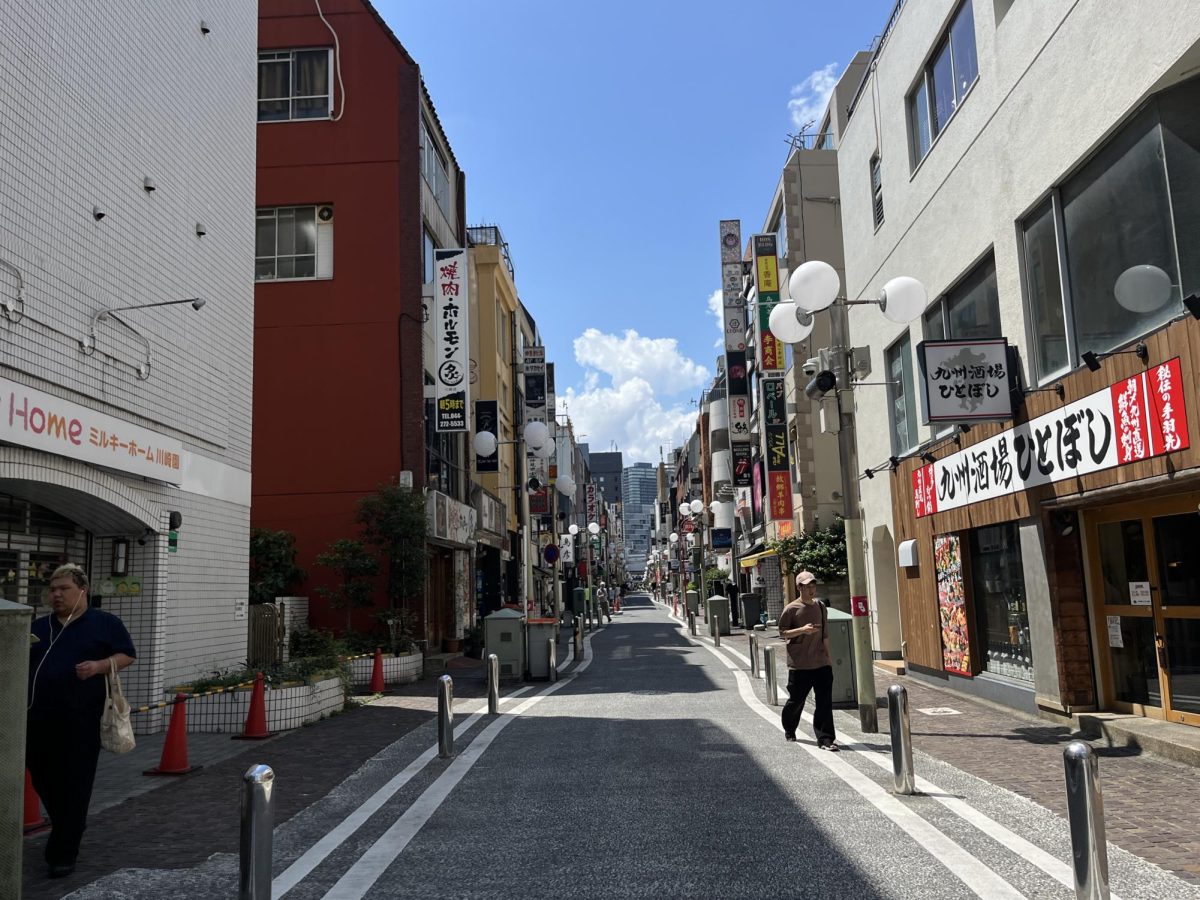









KAWASAKI, Japan – It only took me about an hour to notice how clean the streets of Japan really are.
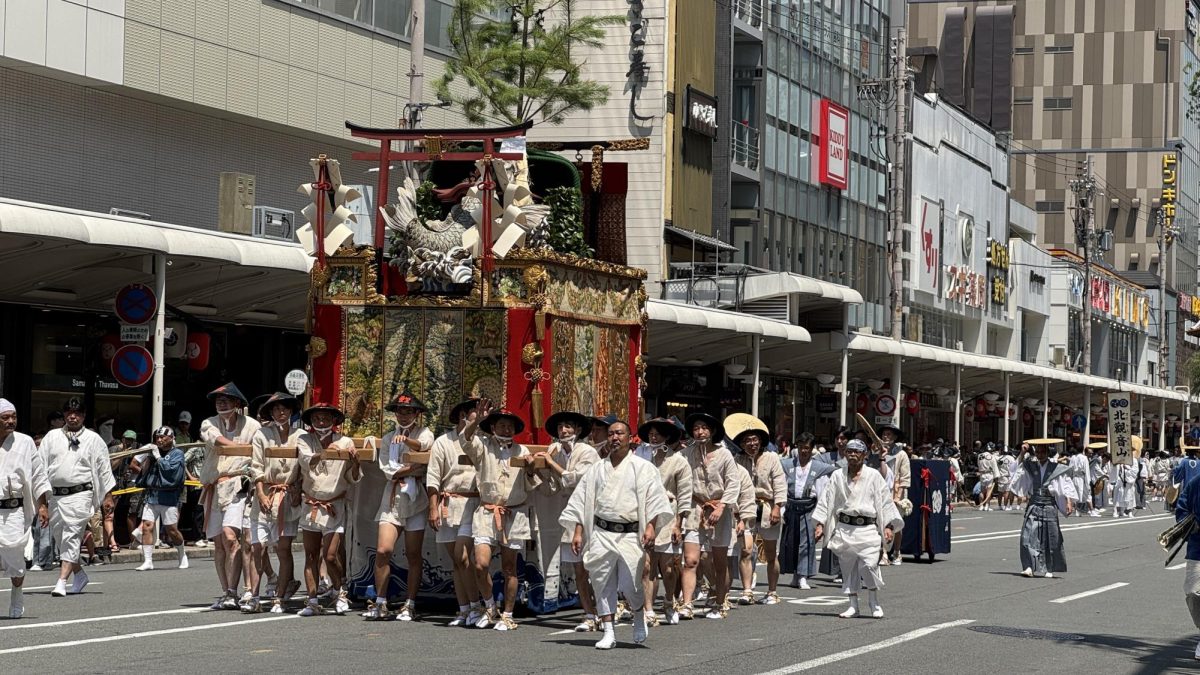
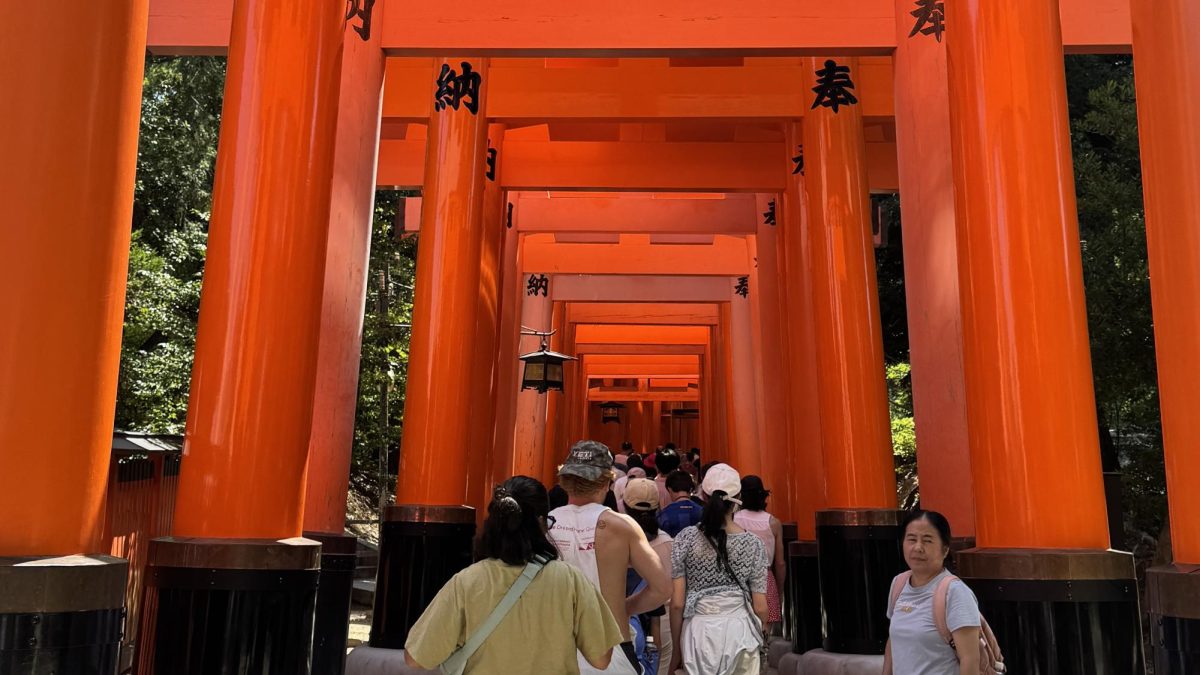
It is a well-known fact that cleanliness is valued here, but it goes beyond littering—although that, too, is frowned upon in Japan. To my surprise, even prominent tourist areas are very clean.

If you have a piece of trash, good luck trying to dispose of it immediately.
There aren’t many public trash cans on sidewalks. If it’s not the one in the train station or inside a convenience store, you will simply have to hold on to it until you get to your destination or your motel. I adapted to this in different ways, including carrying a small trash bag in my backpack.
If you are successful in finding a trash can while out, your American mind will have to do some quick thinking because you may be met by several containers, each accepting a different kind of waste. Trash here is separated into bottles, cans, combustible garbage, paper and plastics. In my hotel, there was even a food waste trash can. I have gotten to the point in my trip where I don’t think it is genius in Japan, but lazy in the United States. Because the act of prioritizing a clean space for yourself and others is the standard here, the Japanese take a further step to look out for the environment. That, in my opinion, is genius and innovative.
By separating waste, it reduces the waste flowing to landfills. In my hometown of Irving, Texas, we have a landfill accompanied by this very long, secluded road. It is hard to ignore the unpleasant smell that is produced by what is likely the mix of organic and inorganic chemicals. The thought that we could be changing how we produce and sort waste back home makes me think of how many different areas outside of my own that this could positively impact.
I met two locals that moved here from the United States and expressed to them my observations about Japanese cleanliness. They shared that if they don’t dispose of their trash correctly, sometimes it won’t even be collected.
Yet something that was even more fascinating to me was when they mentioned that when they are putting away their trash, they have much more plastic than combustible waste. Here, I and millions of other Americans are putting all their trash together, when plastic is perfectly reusable and could in fact reduce our carbon footprint from the 4.9 pounds of trash produced per person per day.
The truth is, it is not just trash. It’s a lifestyle that helps keep not only the country clean but helps maintain a more sustainable future. The short-term inconvenience of not having somewhere to throw away your trash contributes to a more sustainable future.