











CARROLTON, Texas—Starting the evening of Feb. 17, Muslims in North Texas and across the globe began observing the holy month of Ramadan.
Ramadan is the ninth month of the Islamic calendar and the start of Ramadan on is based on the sighting of the new moon.
This year, Muslims are not alone in the observance of fasting. Many Christians also fasted in observation of Ash Wednesday on Feb. 18, which begins the Christian season of Lent.
Muslims believe that Ramadan in its essence is about deepening their spiritual connection with God, eschewing distraction and increasing in empathy for the less fortunate.
Spiritual reminders
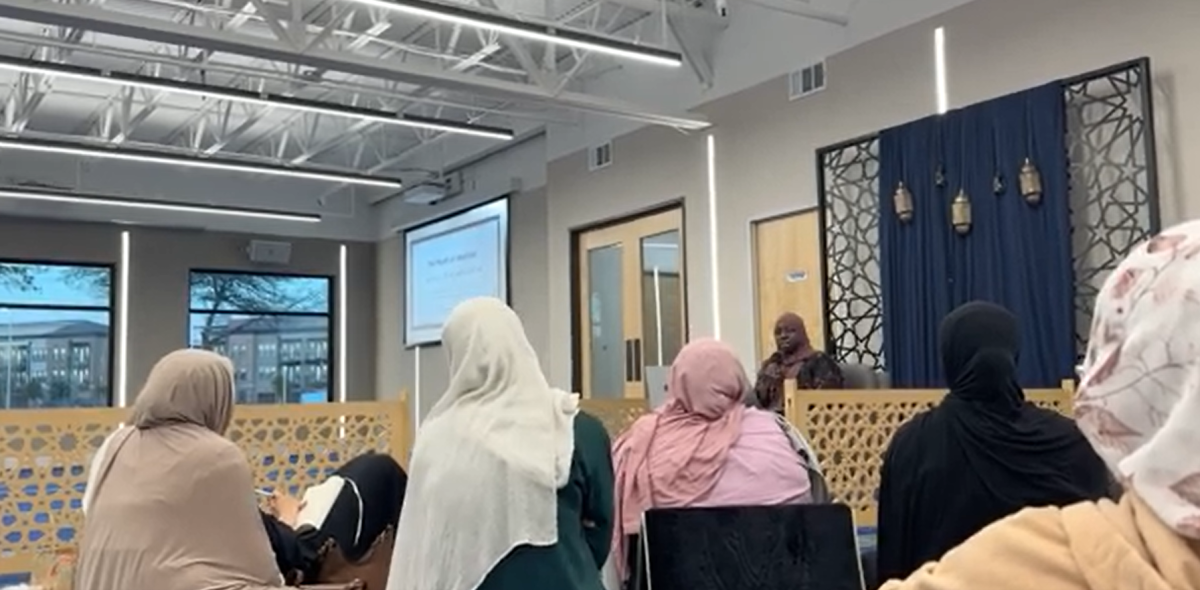
In preparation for Ramadan, local mosques held events to help their congregations review the rules of fasting but also provided spiritual reminders.
Imam Abdul Nasir Jangda who leads the congregation at Qalam Institute, a theology college which used to be located in Arlington on Pioneer Parkway but moved to a property in Carrolton, used an analogy to describe the heart during fasting,
Jangda said the heart is a container, like a glass cup, and sometimes when a glass is left out it gets dirty and needs to be rinsed before use.
“The heart is a container, and the cleansing of the container that is the heart is fasting,” Jangda said during his lecture. “Fasting purges you. That’s why we feel like that—we’re in a condition where we’re like in a spiritually heightened state. You’re cleansing yourself through the hard work of fasting.”
Refraining from food and drink—even water
For the 30 days of Ramadan, Muslims all over the world will refrain from food and drink between dawn and dusk. And yes, that means even water.
But some Muslims are not obligated to fast, including young children, the chronically ill and the elderly.
Woman who are pregnant, nursing or menstruating don’t need to fast but will have to make up missed days at a later time.
Ustadha Fatima Lette, an instructor at Qalam, said that Ramadan is about intention, and that intention should reflective.
“When you’re making your intentions and your goals for this Ramadan, be realistic,” Lette said at the event. “Be challenging. Yes, you’ll push yourself. So be realistic. Be fair to the conditions of your life today. Be fair, because God is fair to us.”
During this month there is an emphasis on acts of personal worship such as extra prayer, reading the Quran and making extensive supplications to God.
A season of mercy
One theme that continued to come up throughout the lectures at the event was mercy.
“The doors of God’s mercy are open,” Shaykh Mikaeel Smith, an instructor at Qalam, said during his lecture. “All of us are struggling with family issues, addictions, all types of trauma, all types of hardship. The whole room is filled with trauma. How come we’re not turning to God, and how come we’re not turning to God when it matters most? And these are the nights, these are the days, where you just open your heart to God.”
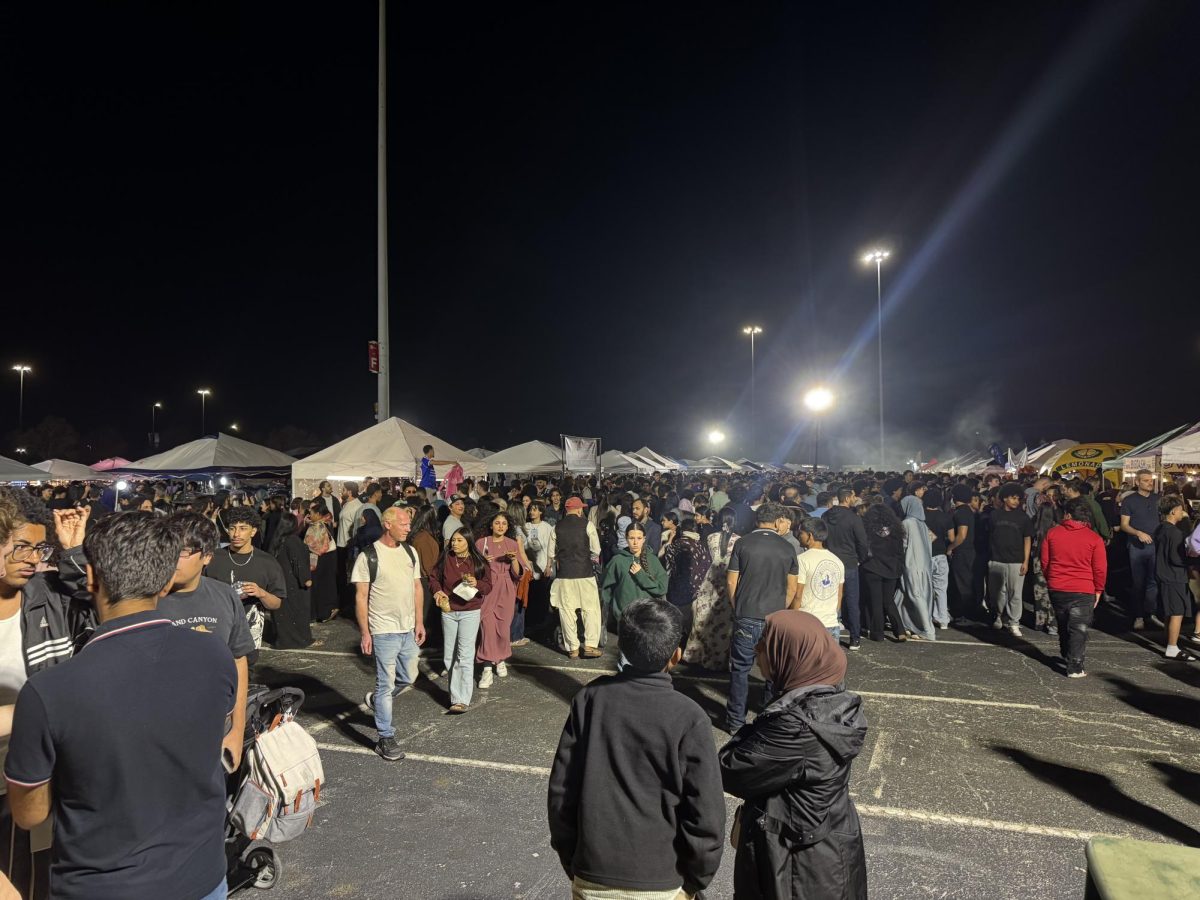
Community is an integral part of the month of Ramadan. Families get together to break the fast with friends and often cook special foods that they reserve for this month.
The hunger felt during the day is meant to remind people to be grateful for the blessings they have. Ramadan is the month in which charitable contributions are significantly greater than at any other time of the year.
The month concludes with the Eid celebration, which this year runs from the evening of March 19 through the evening of March 20. This celebration is marked by festivities, family get-togethers, large meals and the exchange of gifts.