








ARLINGTON, Texas—Millions of visitors are expected to descend on North Texas for the FIFA World Cup 2026 this summer, and many local residents and government officials are concerned about the impact of that influx on traffic.
North Texas is set to host more matches than any other region, with 9 matches played here and daily eventgoers estimated at 100,000 or more.
Earlier this month, the North Central Texas Council of Governments and the North Texas FWC organizing committee announced transportation details for game attendees.
“Our plan moves visitors from rail to charter buses with dedicated routes connecting key transit hubs to the stadium,” Karla Windsor, a senior program manager for NCTCOG, said in a statement. “We appreciate our local, state and federal partners for lending their collaboration in the development of this plan.”
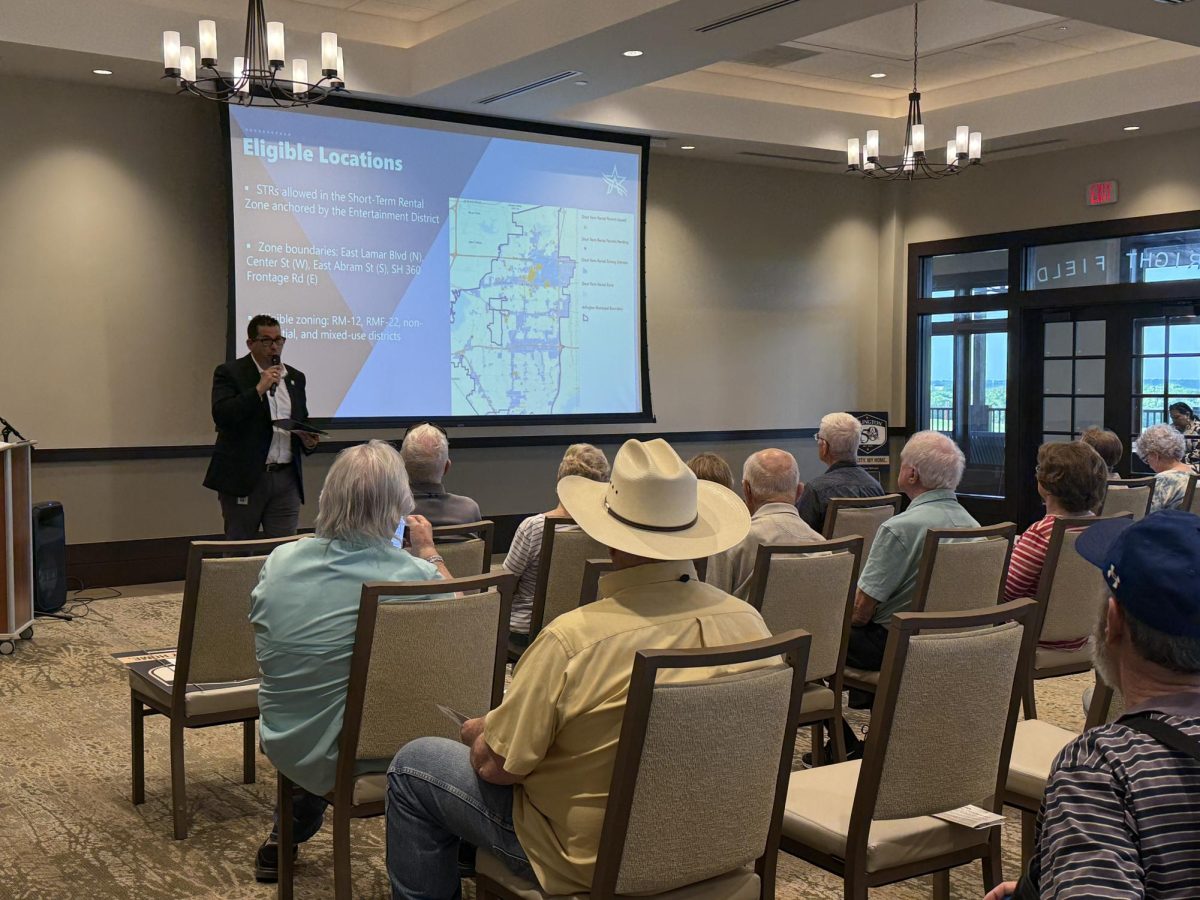
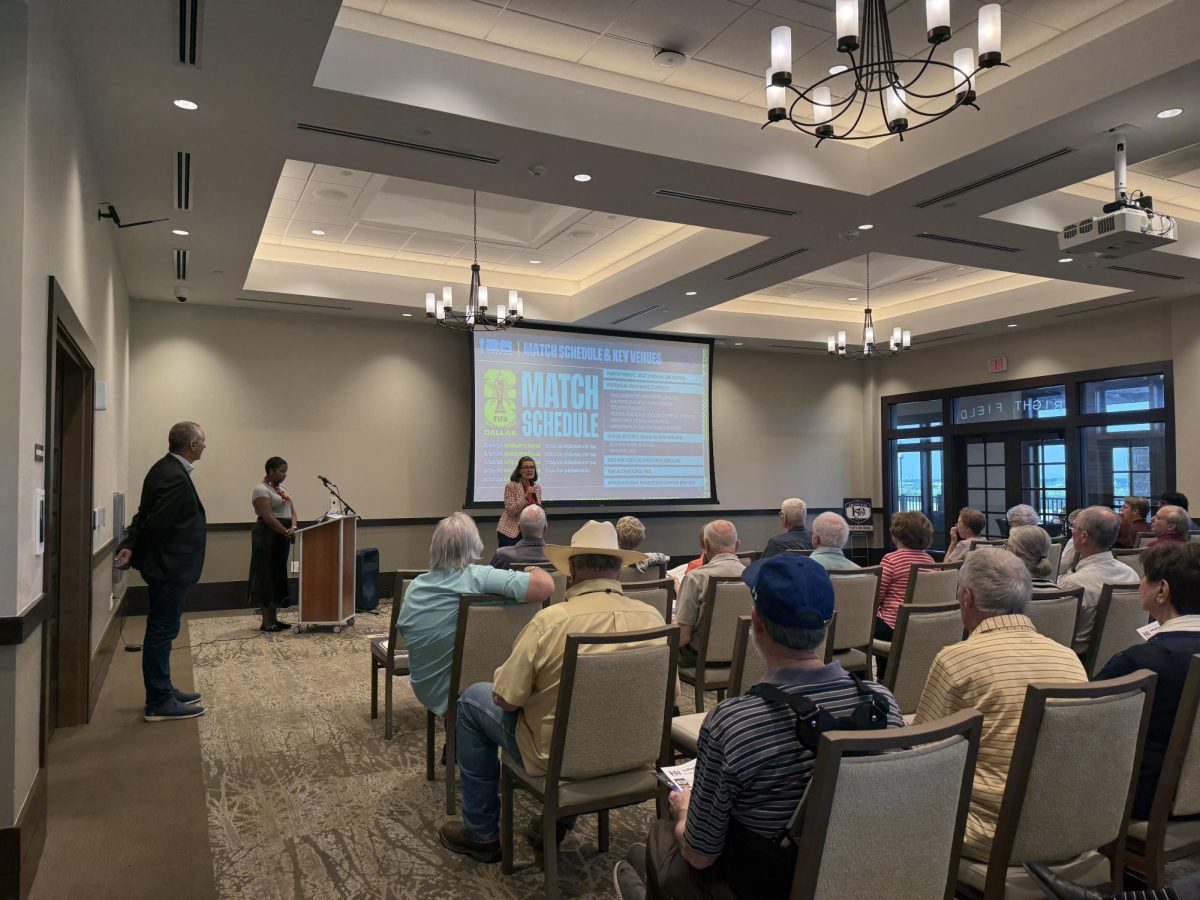
Jennifer Wichmann, deputy city manager for the City of Arlington, spoke to residents at a Town Hall meeting hosted by Arlington City Council member Mauricio Galante on April 16, where he and city staff updated residents on the latest developments, including a FIFA update. Wichmann said officials are optimistic that fans will make use of the transit options.
“We expect that we’ll have more people taking advantage of that, because it’s such a robust system,” Wichmann told the Arlington Sentinel. “We are going to have a more international crowd, and they’re more used to taking transit, so we actually think there might be fewer cars than it might be, say, for an average Cowboys game.”
According to the City of Arlington, the NCTCOG received more than $61 million for safety, security and transportation.
Partner cities Dallas, Fort Worth, Arlington and their respective transportation services—Dallas Area Rapid Transit, Trinity Metro, the Texas Department of Transportation and the Trinity Railway Express, along with the NCTCOG—have created a plan they say will help fans and residents during the World Cup.
Ticket holders can ride the TRE from Fort Worth or Dallas to CentrePort Station, where governmental and transportation officials have established a bus hub. After using the railway, riders will board a bus there, further limiting congestion near the stadium.
“By aligning our partners under one coordinated vision, we have built an innovative system that brings together rail, bus and smart infrastructure to meet the scale and energy of the FIFA World Cup,” Michael Morris, North Central Texas Council of Governments transportation director, said in a release. “Our goal is simple: to provide every fan with an experience of a lifetime—supported by transportation that is seamless and reliable.”
Buses and trains are not the only modes of transport; rideshares will also play a big role. Rideshare companies will use the Esports Stadium Arlington as a designated pick-up and drop-off location.
“This will be just part of our public safety campaign to educate folks about what rideshare is, and just for general safety awareness,” Arlington Deputy Police Chief Steve Williams said. “There’s going to be a huge promotional educational campaign going into World Cup. And so, in addition to just general safety protocols and things to be aware of then, rideshare would be combined within that general safety protocol conversation.”
At any large entertainment or sports event, officials factor in public safety, especially on transportation services. The World Cup will have local, state and federal agencies ensuring that all events are safe for visitors and North Texans.
“This would be part of the combined regional safety plan when it comes to World Cup,” Williams said. “Because, of course, the train is going to stop outside of our city. But from there, of course, that will be the connection point. We’ll be working with FIFA to ensure that there is just public education outreach information in regards to safety.”
Williams told the Arlington Sentinel that the department is looking forward to the new police storefront opening in the Entertainment District in time for the World Cup.
“The number of resources that we’re going to have, not just from our department, but from other agencies, state resources, state troopers, federal assets, all the amount of law enforcement and public safety and this is very intentional. It’s very deliberate,” Williams said. “We’re trying to think of everything, trying to think of where we may be vulnerable and where we need to kind of close the gaps and tighten up things.”
Galante said Texas’ hospitality will be displayed on the world stage.
“It’s going to build and create a legacy, not only hospitality, but also in organizing traffic flows, cooperation with security, between the agencies, not only federally, state, but local also,” Galante said. “We already seeing improvements in local businesses, hotels. It’s going to up the standard to a point that the next, following years, three, four, five, 10 years, we’re going to see a legacy that was built. This legacy is going to allow us to bring other big events that were not on our radar before the World Cup.”