


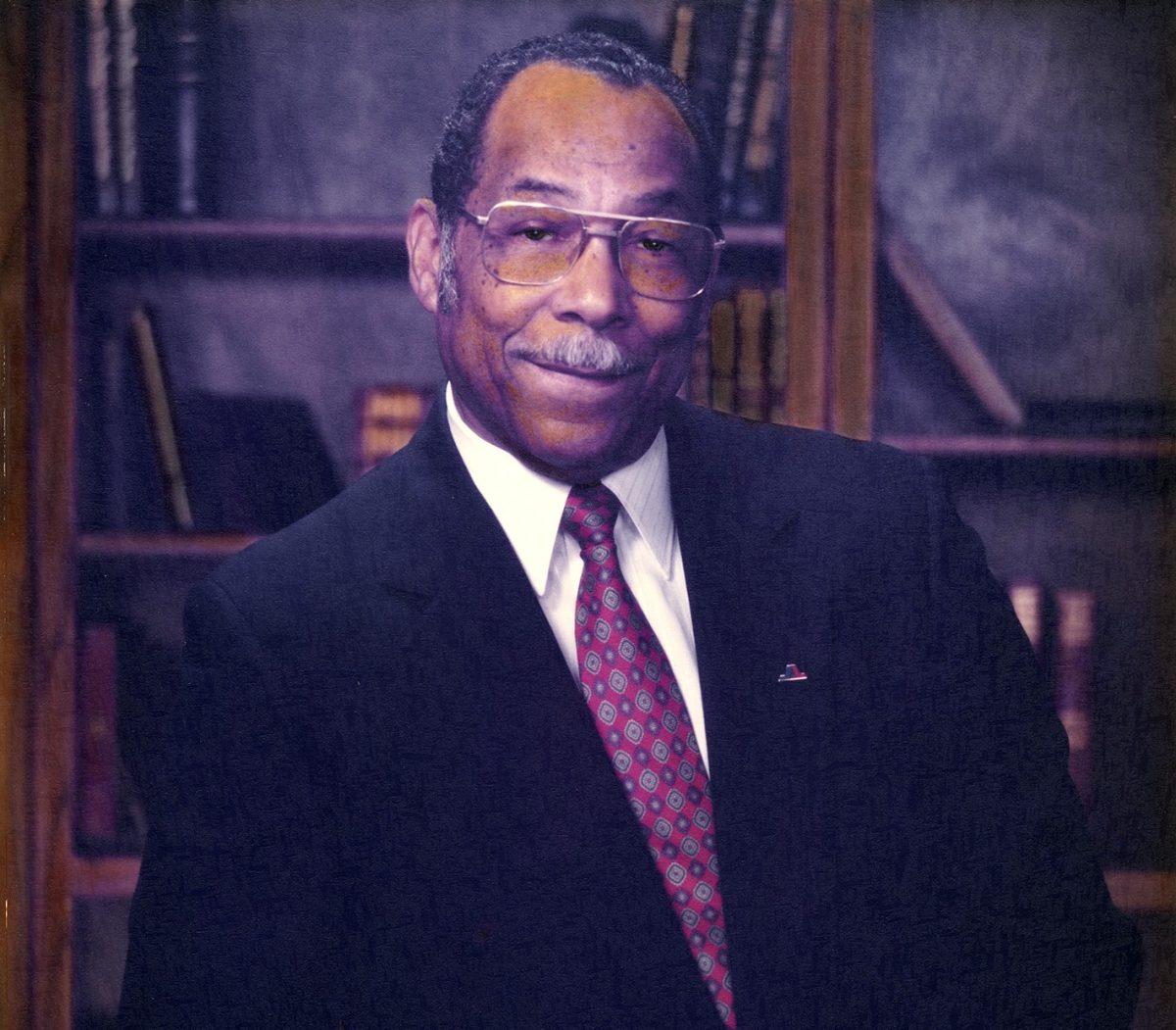




ARLINGTON, Texas—As Arlington prepares for its fifth Juneteenth Celebration scheduled for 5 p.m. Saturday at Levitt Pavilion, the moment offers an opportunity to reflect a milestone in the city’s history: the election of Elzie Odom, who became the first Black mayor of Arlington in 1993.
Odom’s election marked a turning point for the city, signaling a shift in both political representation and the community. At a time when diversity in local government was still limited, his victory showed that Arlington was evolving along with the broader Dallas-Fort Worth Metroplex.
As the District 3 council member, Odom developed experience in municipal governance and worked on issues including infrastructure, transportation and community development. His role required balancing neighborhood concerns with border city priorities, helping prepare him for executive leadership. He also contributed to regional transportation planning initiatives, offering input on projects that would influence mobility and economic growth across North Texas.

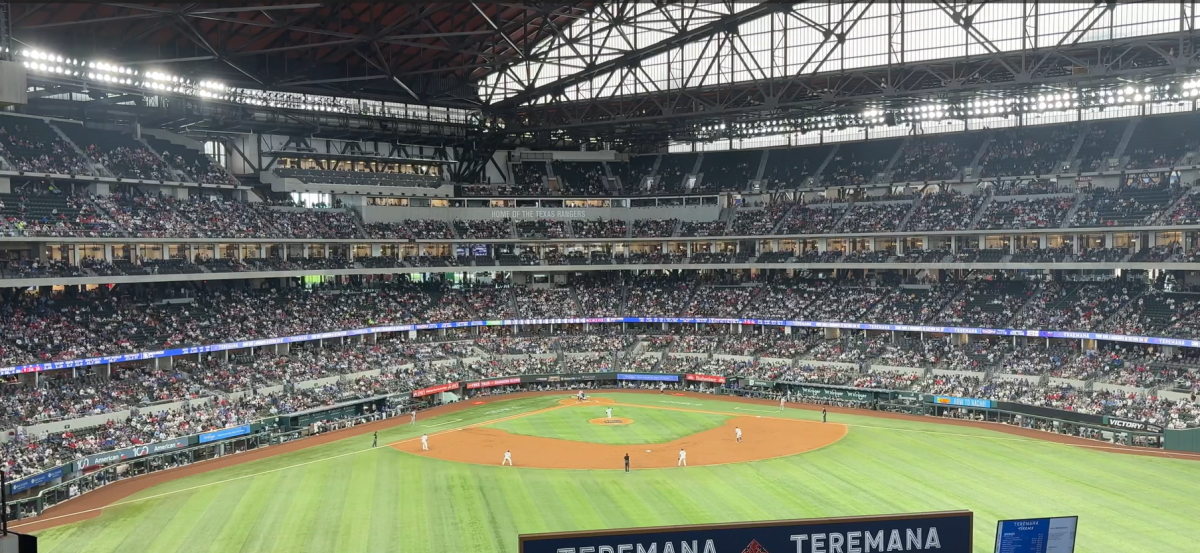
As president of the Arlington Sports Facilities Development Authority, he oversaw the construction of The Ballpark in Arlington and, alongside the city council, played a key role in retaining both General Motors’ Arlington Assembly plant and the Texas Rangers in the city. He also contributed to regional transportation planning initiatives, offering input on projects that would shape mobility and economic growth across North Texas.
Before his tenure in Arlington politics, Odom built a long career in public service as a postal worker and community leader. He was the first African American elected to a school board position in Orange County, Texas, and later became the first African American to become a U.S. Postal Inspector in Texas and fifth in the nation.
In March 1997, Odom announced his candidacy for mayor, telling the Star Telegram his motivation to run represented a personal commitment to the city.
“Because I care for my family, my city and its people, I am running for mayor of the greatest city in the world,” he said, adding that he planned to run “a clean and positive neighbor-to-neighbor campaign” centered on “getting results for Arlington.”
Odom outlined a 10-point plan for his administration that focused on improving traffic and mobility, reducing crime, encouraging public-private partnerships, addressing unnecessary spending and promoting economic development. His campaign gained support from local leaders, earning endorsements from members of the city council as well as Arlington business leaders.
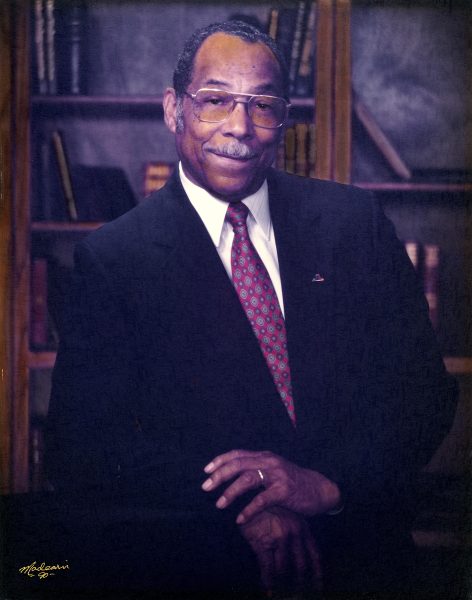
During his time in office, Odom focused on managing growth, supporting economic development and maintaining essential city services as Arlington continued to expand. His administration was characterized by a steady approach to governance and an emphasis on consistency.
Arlington has continued to grow and diversify over the years since Odom’s tenure. The current mayoral race reflects ongoing changes in the city’s priorities and population.
Revisiting Odom’s career, from his early defeat in a council race to his service as District 3 council member and later as mayor, provides context for Arlington’s present. His experience underscores the role of persistence in public service and the lasting impact of local leadership on a community’s direction.
Odom died on Nov. 17, 2025, at the age of 96, leaving behind a legacy of public service that helped shape Arlington’s growth and broaden representation in its local government.