




















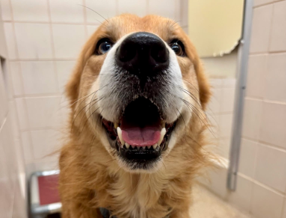
ARLINGTON, Texas—The sound of wagging tails echoes through the corridors of the City of Arlington Animal Shelter, but for dogs like Daisy—a 10-year-old Labrador with stiff joints and a gentle soul—that sound is a haunting reminder of silence to come. While puppies are adopted within days, older and disabled animals often spend months, even years, waiting for someone willing to look past their age or imperfections.
In Arlington, senior and special-needs dogs sit in kennels far longer than their younger counterparts. Many adopters walk past them, drawn instead to energetic puppies or dogs that appear “perfect.” Shelter staff and volunteers say that age, appearance and fears about medical costs all play a role in why some animals are left behind—and they’re working to change that narrative through education, social media and specialized adoption programs.
The Issue: Why Senior Dogs Are Overlooked
“Most people come into the shelter looking for puppies or very young dogs,” said Maria Lopez, a longtime volunteer at the City of Arlington Animal Shelter. “They’ll say things like, ‘Oh, he’s adorable, but he’s too old,’ and then move on to the next kennel. It breaks my heart because the older dogs still have so much love to give, but they often end up sitting here for months without much interest.”
Lopez says disabled dogs face an even steeper challenge. “People’s first reaction is usually sympathy,” she said. “They’ll kneel down, pet them, and even comment about how sweet they are, but once they learn that the dog might need ongoing care or higher medical costs, they tend to back away. It’s like their hearts want to say yes, but their minds talk them out of it.”
The problem isn’t unique to Arlington. Nationally, senior dogs are adopted at roughly 25% the rate of younger dogs, according to the American Society for the Prevention of Cruelty to Animals. By comparison, puppies and young adults are adopted about 60% of the time. That means thousands of senior pets across the U.S. remain in shelters longer — or worse, never leave.

A 2023 HumanePro report found that senior dogs often stay three to four times longer in shelters than their younger counterparts. And according to Shelter Animals Count’s national data, nearly 1 in 5 dogs euthanized each year is older than 7 years old. These trends directly affect local shelters like Arlington’s. When older dogs occupy kennels for extended periods, the facility reaches capacity faster, leaving fewer openings for new rescues. That puts additional pressure on staff to balance care, space and public perception.
“We want people to know these dogs aren’t broken,” Lopez said. “They just need someone patient enough to see their worth.”
A Family’s Second Chance
For James Carter and his wife, adopting an older dog wasn’t an accident—it was intentional.
“We didn’t want the energy of a puppy. We wanted a calm, steady companion,” Carter said. “When we met Daisy, she looked up at us with those big eyes, and we knew she was the right fit.”
The Carters soon discovered both the joys and financial realities of senior pet ownership.
“The biggest challenge has definitely been the vet bills,” Carter said. “Older dogs require more frequent checkups, and Daisy had arthritis that needed medication right away. It can get expensive, but the love she’s brought into our lives makes the cost feel worth it.”
Carter said he would “absolutely” recommend adopting a senior dog.
“They’re incredibly grateful and loyal,” he said. “It feels like they know you’ve given them a second chance. Daisy may not be around as long as a puppy would, but the time we do have together is full of love and peace.”
The Shelter’s Response: A New Kind of Outreach
Shelter Director Ashley Woolnough says the staff has worked to shift public perception through targeted programs and social campaigns.
“We know these dogs need a little extra help finding homes,” she said. “We hold senior adoption events where fees are reduced or waived, and we highlight their stories on social media. It doesn’t solve everything, but we’ve seen it bring attention to dogs who otherwise get overlooked.”
Woolnough says the shelter also relies heavily on foster care for older and disabled dogs. “We try to place them in foster homes first,” she explained. “That gives them a chance to adjust in a home environment and helps potential adopters see what living with them is really like. Sometimes those foster families end up adopting permanently, which is always a happy ending.”
Still, she admits fear remains the biggest barrier. “People worry they’ll get attached and lose the dog too soon,” Woolnough said. “Or they’re scared of medical costs. Those are real concerns — but if we don’t give these dogs a chance, they never get one.”
To reach more adopters, the Arlington shelter recently partnered with local veterinarians and pet stores to create a “Seniors of the Week” campaign, which features adoptable older dogs in storefronts and community bulletins.
“When people see them outside the kennel, it changes everything,” Woolnough said. “They stop seeing age and start seeing personality.”
A 2023 study by Maddie’s Fund, a national animal welfare nonprofit, found that shelters offering medical transparency, subsidized healthcare and foster-to-adopt trials saw adoption rates for senior dogs rise by as much as 40%. Woolnough says she’s hopeful Arlington’s programs can mirror that success.
“It’s not about numbers,” she said. “It’s about dignity—giving every dog, no matter how old or imperfect, a fair chance at love.”
Hope and Healing Through Adoption
Not every story ends in heartbreak. Lopez recalls a blind senior dog named Buddy who spent six months at the shelter before a family with experience in special-needs pets adopted him.
“Watching him walk out of here with his tail wagging was one of the best moments I’ve had volunteering,” she said.
These emotional moments are what keep volunteers motivated. “When people finally take a chance on a senior or disabled dog, you can feel the gratitude,” Lopez said. “It’s like they understand you saved them.”
For the Carters, that gratitude shows up every day.
“We can’t imagine our lives without Daisy,” Carter said. “She may nap more than she plays, but she’s part of our family. She reminds us to slow down—to appreciate every moment.”
The Bigger Picture: Compassion in Action
Arlington’s shelter isn’t alone in this effort. Across Texas, organizations like the SPCA of Texas, Operation Kindness, and DFW Humane Society have all expanded senior pet programs, offering discounted fees and partnerships with local businesses. Many also host “Adopt a Senior Month” events each November to highlight older animals.
Experts say education is key.
“When people realize senior dogs can live several more years with proper care, they’re more open to adopting,” said Dr. Michael Tran, a veterinarian at Fielder Animal Clinic. “It’s about changing the mindset from pity to partnership.”
Even small gestures—like showcasing success stories online or allowing brief “doggie day out” trials—have been proven to boost adoption interest. Arlington’s shelter has started incorporating both, letting volunteers take senior dogs on short outings to parks and cafés. Photos from these trips often generate dozens of inquiries on social media.
As Arlington’s shelter continues its “Second Chances” campaign, staff like Woolnough and Lopez hope to see more residents take a chance on dogs like Daisy and Buddy. For every forgotten senior behind a kennel door, there’s someone out there ready to open their home—if only they take a second look.
“Every adoption reminds us that love doesn’t expire,” Lopez said softly. “It just waits a little longer to be found.”