





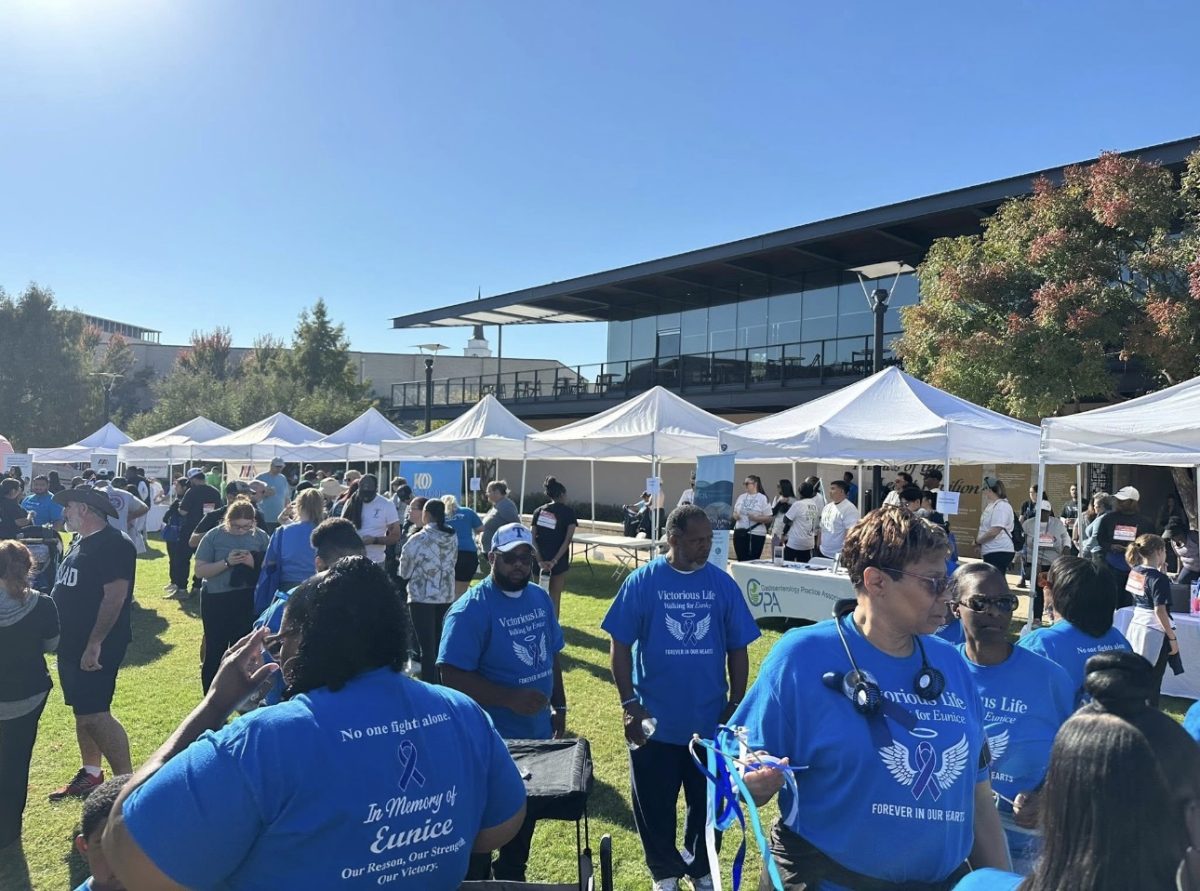
ARLINGTON, Texas—Blue ribbons fluttered in the crisp November breeze at Levitt Pavilion as the sound of cowbells echoed through downtown Arlington. For most participants at the Nov. 8 Walk to End Colon Cancer, it was a day of solidarity and awareness.
For Skye Ali, it was something more—a quiet celebration of survival.
Just a few months ago, Ali, 38, was still adjusting to life after chemotherapy and an ostomy reversal. Now, standing among hundreds of walkers dressed in shades of blue, she smiled through tears.
“This feels like the first time I can finally breathe again,” she said. “I’m still learning what life after cancer feels like, but being here makes me feel alive.”
The diagnosis that changed everything
Ali’s journey began last year when she started feeling constant fatigue and stomach discomfort. She chalked it up to stress and a busy schedule. But when the pain grew unbearable, she went to the emergency room.
The visit changed her life, revealing Stage 2 colon cancer.
“I thought I was too young for this,” she said. “Colon cancer doesn’t run in my family, as far as I know.”
What followed were emergency surgery, chemotherapy and endless recovery days. She gained a stoma bag, lost her energy and at times, her sense of self.
“There were days I didn’t recognize the person in the mirror,” she said. “But I told myself — one day, I’ll feel like me again.”
The walk back to life
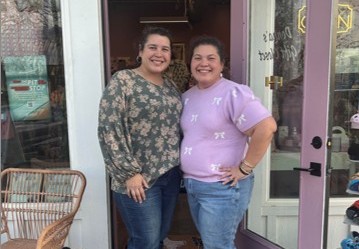
Saturday’s walk marked her first community event since becoming cancer-free. She didn’t join a team or volunteer this year. Instead, she came with her sister and niece, taking in the atmosphere.
At 9 a.m., participants checked in at the welcome tent, picked up bibs and bells, and signed a large blue banner pledging their commitment to end colon cancer. Survivors, like Ali, received special “Survivor” T-shirts—a tangible reminder of what they had overcome.
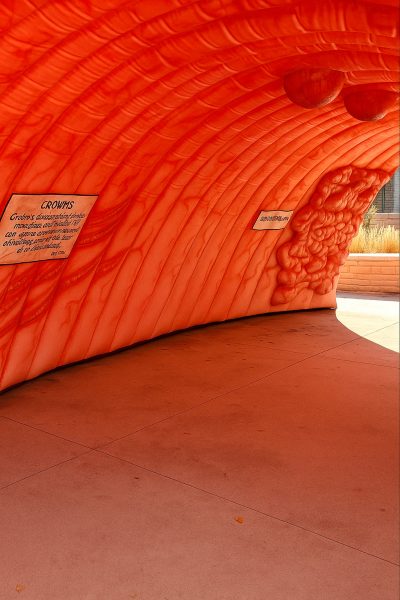
The 3-mile course looped through downtown Arlington, beginning and ending at Levitt Pavilion, with a giant inflatable colon marking the start and finish line. Each step, Ali said, was both heavy and freeing.
“During treatment, even walking to the kitchen felt impossible,” she said. “Today, I walked 3 miles. That’s victory.”
Life after survival
Though she has been declared cancer-free, Ali said the emotional healing is still unfolding. Simple things—grocery shopping, planning ahead, laughing—feel different now.
“When you’ve lived with uncertainty, even peace can feel unfamiliar,” she said. “I’m still learning how to trust that I’m OK.”
She said hasn’t started volunteering or speaking publicly about her experience yet. That, she said, will come in time.
“Right now, I just want to live quietly—enjoy my family, breathe good air, eat good food,” she said. “Surviving taught me that life doesn’t have to be big to be beautiful.”
As she crossed the finish line, her sister rang a silver bell, a symbol of completion and courage. Ali smiled, clutching the bell in her hand.
“I didn’t walk for awareness this time,” she said softly. “I walked because I could.”
After the crowd began to leave, Ali lingered near the Hope Wall, where survivors had written messages in blue marker. Some shared prayers, while others offered encouragement. On a blank space near the bottom, she wrote three words: “Still here. Grateful.”
She paused, looking back at the pavilion as the morning sun filtered through the trees.
“That’s all I need to say,” she said in a whisper.